
Orthopedics Orthopedics

Bioactive Intra-Articular Support

For Degenerative Knee Disease

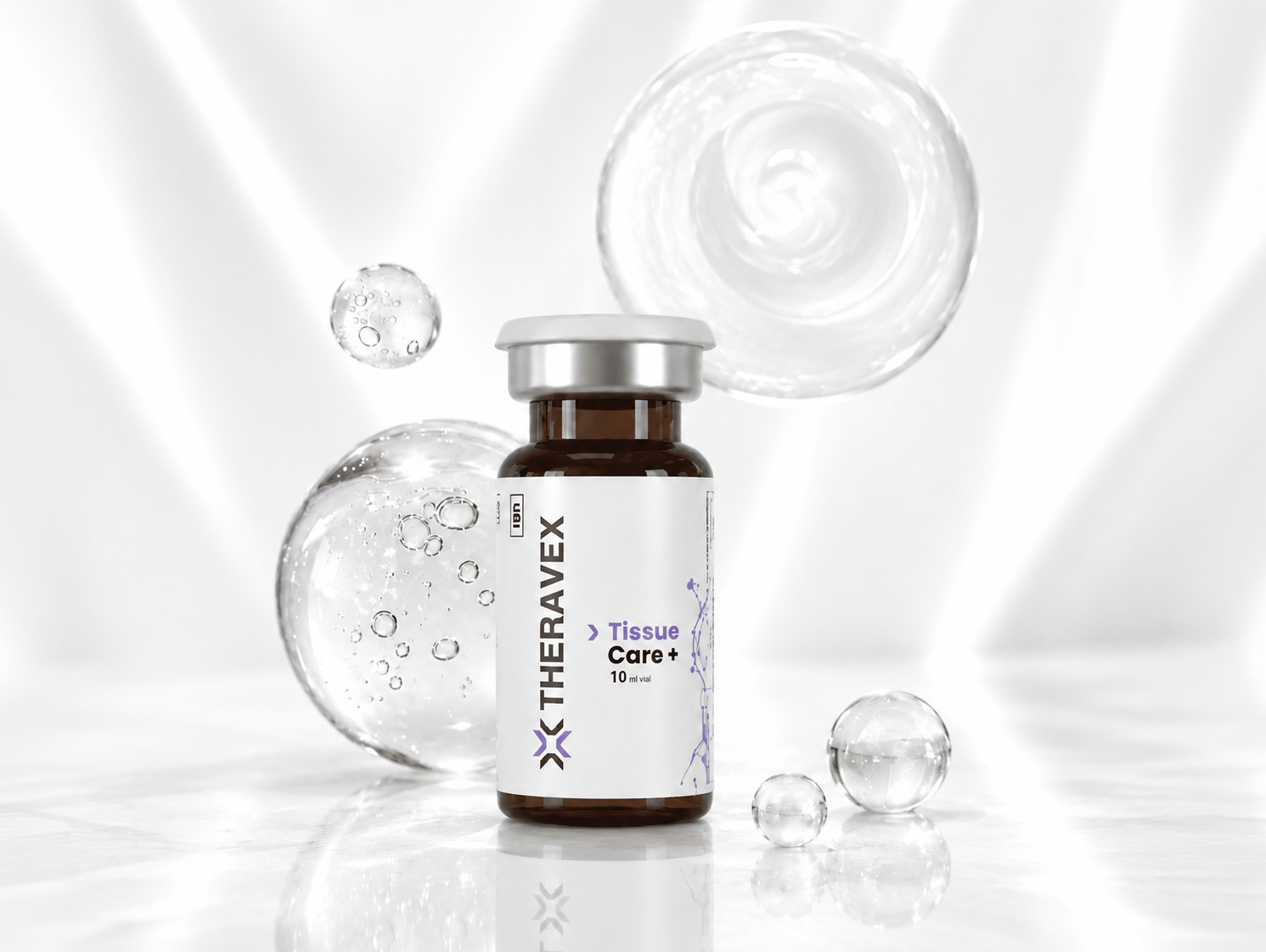
THERAVEX® TissueCare Plus is a patented bioactive, multi-ionic medical device designed to support extracellular matrix stability, tissue hydration, and inflammatory regulation in selected patients with symptomatic degenerative knee joint disease.

Clinical Challenge

Degenerative knee joint disease, including osteoarthritis, is driven by cartilage matrix degradation, chronic low-grade synovial inflammation, altered joint hydration, and biomechanical stress. These changes may lead to persistent pain, functional limitation, stiffness, and reduced quality of life.

Why Current Options

May Fall Short

Current intra-articular options such as corticosteroids, hyaluronic acid, and PRP may provide symptomatic benefit, but each has limitations related to duration of effect, structural concerns, variability, cost, or protocol inconsistency. THERAVEX® TissueCare Plus introduces a standardized, non-cellular bioactive approach targeting the joint microenvironment rather than relying on cellular modification.

Recommended

Products

How Theravex Helps

THERAVEX® TissueCare Plus acts at the extracellular level. It is designed to support:

  • Extracellular matrix stability
  • Tissue hydration
  • Joint microenvironment modulation
  • Inflammatory regulation
  • Pain and mobility improvement signals
  • Structural safety profile monitoring through MRI

Applications

Selected patients with symptomatic degenerative knee joint disease

Persistent knee pain and functional limitation despite conservative management

Joint symptoms associated with synovial inflammation or effusion, where an intra-articular procedure is considered appropriate

Emerging investigation of extracellular-microenvironment support in regenerative orthopedics

Knee osteoarthritis with radiological degenerative changes

Protocol

Route: Intra-articular injection

  • Dose: 4 mL per knee
  • Regimen: Single-session, one-time injection in the supplied e-detailer protocol
  •  Technique: Strict aseptic technique with landmark-guided intra-articular placement by a qualified physician
  •  Follow-up: Baseline, Day 1, Day 7, Day 14, and Day 30; longer clinical follow-up where appropriate
  •  Assessments: Pain at rest, pain during movement, inflammation, function, satisfaction, adverse events, and optional standardized imaging

Patient Profile

  • Symptomatic degenerative knee joint disease.
  • Persistent knee pain with functional limitation.
  • MRI evidence of cartilage changes, synovitis, effusion, or degenerative pathology.
  • Symptoms persisting despite conservative management such as :
    physiotherapy,
    weight optimization,
     oral analgesics.

Evidence Highlight

In A Prospective: single-center pilot case series of 19 patients, all patients received a single bilateral intra-articular injection of 4 mL per knee.

At 30 Days: mean pain at rest decreased from 4.2 to 0.8, mean pain during movement decreased from 7.4 to 2.6, and mean patient satisfaction reached 8.8/10.

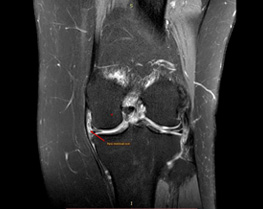
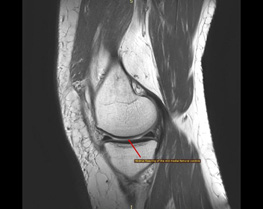
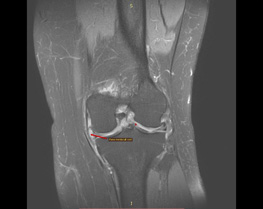
MRI Trends Showed: reduced synovial/periarticular fluid accumulation, favorable Baker’s cyst evolution, and stable cartilage morphology in the evaluated subset.

Key Benefit Pillars

A standardized, non-cellular intra-articular approach designed to support the extracellular joint microenvironment—targeting tissue hydration, matrix stability, and inflammatory regulation, with preliminary evidence of improvement in pain and mobility-related symptoms.

Prospective pilot study

symptomatic knee osteoarthritis

  • Population

    30 consecutive patients enrolled; 29 completed treatment and were included in the efficacy analysis.

  • Disease severity

    19/29 (65.5%) had Kellgren–Lawrence Grade 4 disease; 6/29 (20.7%) had Grade 3 disease. Therefore, 86.2% had Grade 3–4 osteoarthritis.

  • Treatment

    One intra-articular administration under standardized clinical conditions.

  • Pain at rest

    Mean VAS decreased from approximately 4.2 at baseline to 0.4 at Day 30, an approximate 91% reduction.

  • Inflammation score

    Mean score decreased from 2.31 ± 0.54 to 0.17 ± 0.38, a 92.6% reduction; reported p <0.001, Cohen's d = 3.68.

  • Responder rate

    Approximately 89.7% met the report's clinically meaningful improvement criterion.

  •  Safety

     The report states that no serious treatment-related adverse events were observed.

  • Durability

    Extended observational follow-up of up to 12 months suggested persistence of benefit in many patients, but the report did not provide a complete controlled long-term dataset.

Important Clinical Disclaimer : These results are preliminary and derived from an exploratory pilot case series. Larger controlled studies are needed to confirm long term efficacy, safety, and comparative positioning.

Request

Orthopedic Medical Visit